Poem
Six New Poems by Wendell Berry
The great American writer addresses the thinning partition between this life and eternity.
September 6, 2026
Try 3 months of unlimited access. Start your FREE TRIAL today. Cancel anytime.
START FREE TRIAL NOW
[.smalltext]These poems first appeared in the Winter 2026 issue of Plough Quarterly.[.smalltext]
[.article__paragraph--leading]The word “verse” has an agricultural past: it comes from the Latin word for “furrowing” or “turning up the soil.” Language, then, is a field ready for the plow; a poem is the careful turning up of that field. A poem must break up the dry outer crush of assumptions to expose the fertile soil underneath. [.article__paragraph--leading]
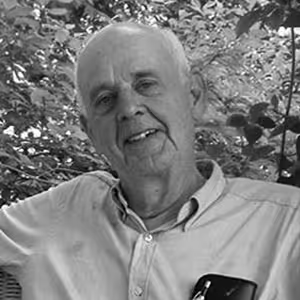
[.article__paragraph--cap][.small-caps]Wendell Berry,[.small-caps] whose poems we are honored to feature here, is a well-known essayist and novelist, a life-long farmer, and a great champion of the particular and human against impersonal, mechanized social and economic forces. He is also a masterful poet. For over sixty years, Berry has turned to verse to explore the rhythms and patterns that make up human life.[.article__paragraph--cap]
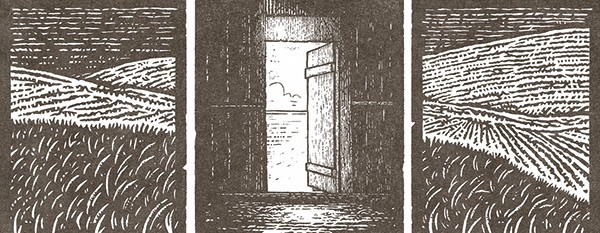
In this series of poems, the guiding concerns of Berry’s life merge. Here plowing (and not just in a metaphorical sense – remember, Berry actually plows actual fields) turns up the field of memory and gives us a glimpse of the beauty that comes when we love a place and its people particularly and deeply.
The poems stand in relationship with each other. The fields of one poem become fertile soil for a meditation on language in the next, which in turn yields a prophetic vision in which “On the other side of the partition / the dead are living.”
The inevitable but startling unfolding of the poems and their interrelated themes is more than an imaginative discovery; it is a moral one. Throughout these poems, the speaker explores his changing relationship to the world he has loved with all his might. He discovers that even though he cannot stop time or keep the fields and land and the people he loves, he need not despair. Here is the final great turning of these poems: a turning away, at the last, from the things of this world only to discover that the things he has loved have been kept safe, “more alive, more essentially themselves,” on the other side of death. Perhaps, these poems suggest, death itself is simply another turning of the soil. —Jane Clark Scharl
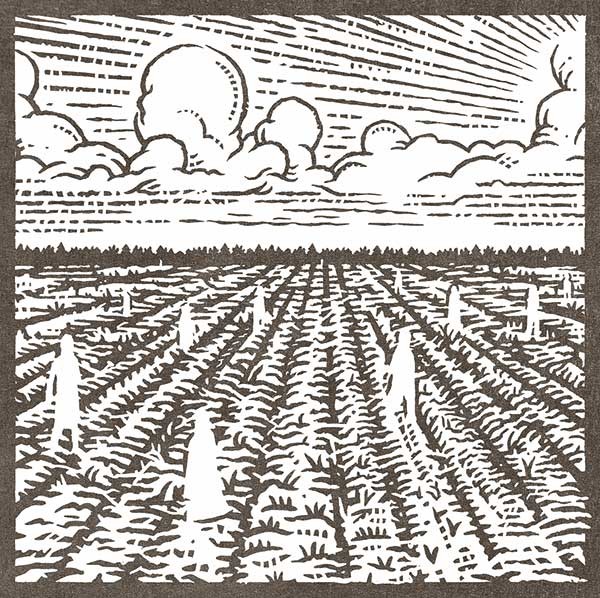
I had a dream half awake
that led into the company of the dead who were alive still in the fields
we worked together, now purified
of our loss of one another.
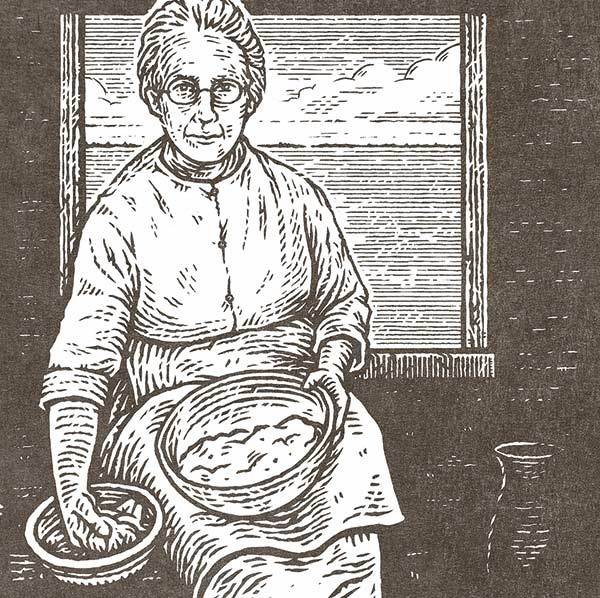
No more as if I picture them
lighted mid-breath on a black page,
now the dead pass out of time.
The ones I loved are present to me
as living souls, and I to them,
as once in time we used to be
without my even guessing so.
Don’t comfort me. Against age and time,
by missing them I keep them with me.
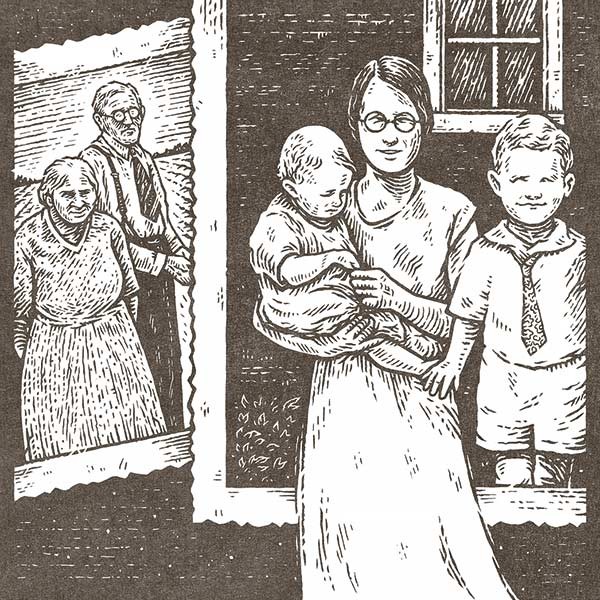
Now they’re coming closer,
those I’ve known forever.
We were here together
who in this world’s great Other
have never been apart.
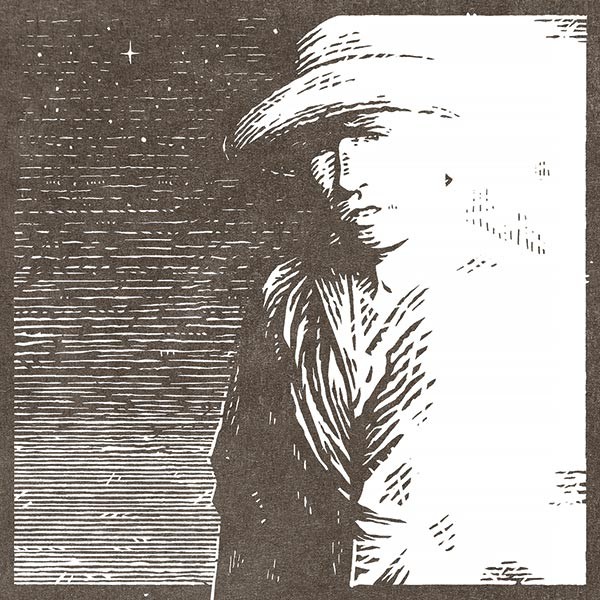
Only when you have the language for it
can you imagine it. Only when you can imagine it
can you know that it is real:
the angel alight with glory walking
among the shepherds half asleep in their watching.
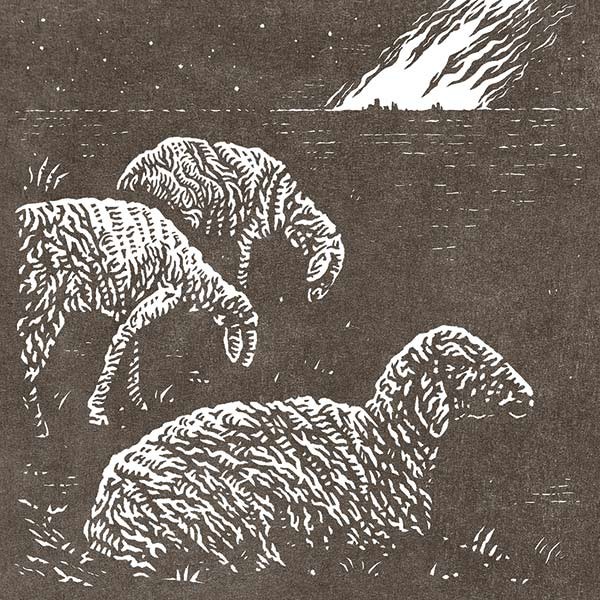
The empire of money, war, and fire
cuts across the land.
There are in the same country
shepherds watching their flocks.
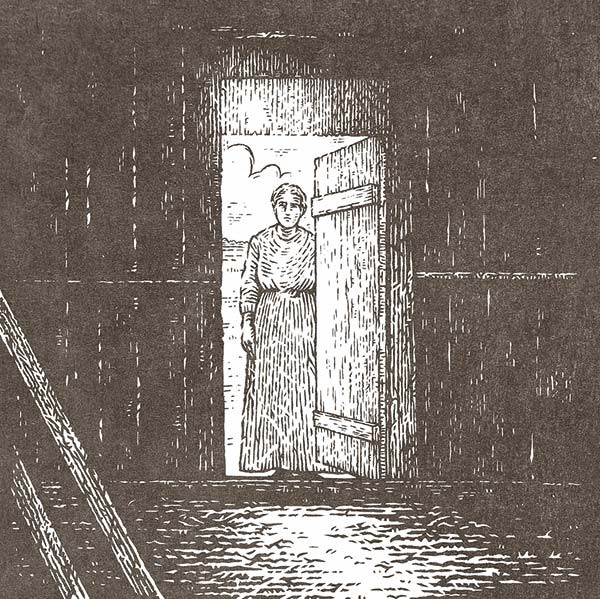
The partition thins between this world and the world to come, or
the next or the other world. On the other side of the partition
the dead are living. As one grows older some of the dead grow
more alive, more essentially themselves. One loves them more. As
the next world grows more distinct, this one becomes, not more
vague, but more strange.