Personal History
Staying for the Whole Game
In caring for my wife with Alzheimer’s disease, I came to know a special kind of grief.
December 15, 2026
Try 3 months of unlimited access. Start your FREE TRIAL today. Cancel anytime.
START FREE TRIAL NOWStaying for the Whole Game
In caring for my wife with Alzheimer’s disease, I came to know a special kind of grief.
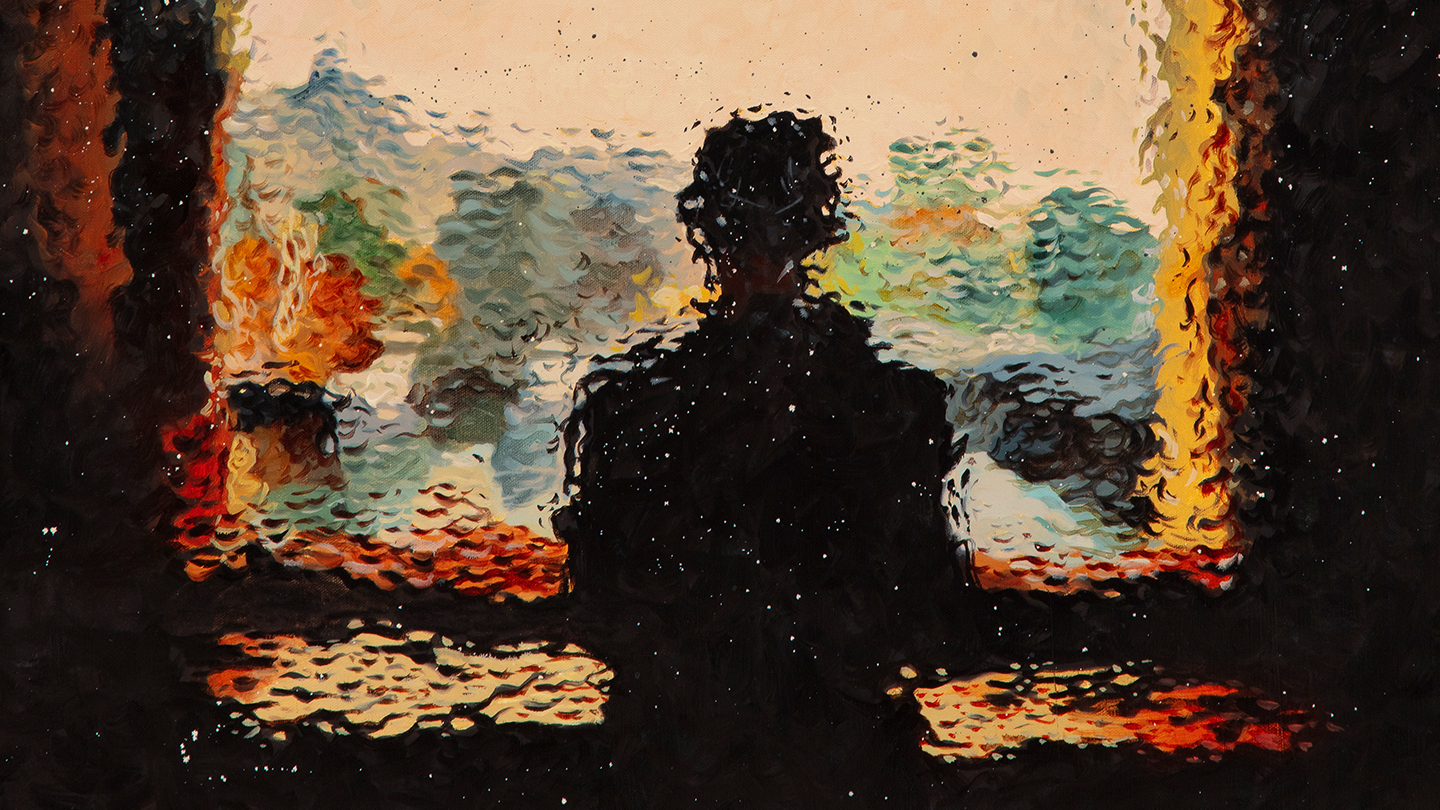
[.article__paragraph--cap][.small-caps]I was walking down[.small-caps] the stairs in our house when I heard Jan say to one of her caregivers, “Who is that man in the other room?” Not fifteen minutes before, we had been holding hands. I had hugged her before I walked upstairs.[.article__paragraph--cap]
I thought I had a good understanding of myself. Jan’s illness has taught me how wrong I was about that.
She developed Alzheimer’s eight years ago. I have been her primary caregiver. My formation as a physician shaped my first response to her declining health: listening, assembling the puzzle, forming a plan, acting, following up to see if the plan was working. For more than four decades that formation had served me well, in the clinic and in the larger work of leading medical institutions. I am very process-driven. You assess the issues, and then you act on your assessment. Afterward, you measure what you did to see if it worked. Even when it didn’t work out like I had hoped, I followed the same process. What I did not see, until Jan’s illness made it visible, was how her Alzheimer’s dismantled my problem-solving abilities, not all at once, but gradually.
Medical knowledge can bring you only so far. I understand now that I cannot fix this. I can only be present. The physician in me has never fully accepted this.
Jan is in the later stages of her disease. She does not think we are married. We spend most of our time together and she smiles, holds my hand, will lean into a hug. She still holds my hand the way she has for forty-five years. When someone else asks, she says, “No, we’re not married.” She cannot dress herself. She walks with assistance. Her appetite is decreasing. She asks often to go home, to see her parents, to see her brother, people and places that exist now only in the part of her mind the disease has not yet reached.
The seizure came without warning. Jan was on the stairs when it took her, and the fall left her with a fractured clavicle and multiple broken ribs. She spent several days in the hospital. When it was time to go home, the nurses helped me settle her into the front seat of our car. It was a bright and cold December day. After we pulled away from the hospital and had driven perhaps half a block, Jan turned toward me and said, “I’m sorry we couldn’t stay for the whole game.”
In the seconds before I spoke, I was the physician who knew this was a confabulation, and the husband who was scared to death.
“It’s OK,” I said. “I’m just glad we can drive home together.”
The five-minute drive home from the hospital seemed like an eternity.
I had called our neighbor Jenny before we left the hospital and asked her to meet us. When we pulled into the driveway she was waiting. Jenny and I each took one of Jan’s arms and walked with her toward the front door. We have a red brick sidewalk, thirty feet from the car to the door. Halfway there, Jan looked at Jenny and said, “Thank you for making this place look like our house.”
Again, I was unable to speak immediately. I looked at the bricks. I looked at the door we had walked in ten thousand times. I thought of all the things she had known about this house, where she kept the good dishes, where the dog slept, the sound the front door made in winter. The house was our life together. All I could say was, “It looks really nice, doesn’t it.”
What Jan’s two sentences told me, together, was not a diagnosis; I already knew that. They were a reminder of what I had lost. The life we’d built together existed only in my mind now. There were fragments left in Jan that did not make sense to me any longer. I was carrying our life now for both of us.
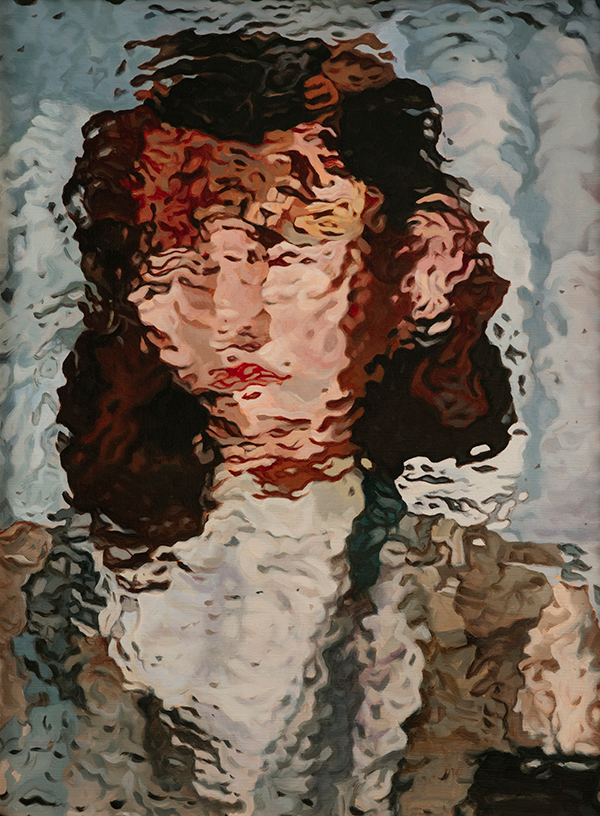
For years, many friends and acquaintances would say to me they understood what I was going through because they had lost a parent or a friend to this disease. I knew what had happened to them was difficult, but it was nothing like what I was experiencing. I could not say that. I would just say thank you, and the conversation would continue. When a parent is older, their death, however painful, arrives within an expected order. A spouse is different. The loss is not only of the person but of the witness to your own life.
It seems grief in dementia is not like the recognized grief of death. Grieving a death has the funeral, the graveside, neighbors who bring food, a world that pauses briefly to acknowledge what has happened and then moves on. The grief of dementia has none of that. There are no recognized occasions for this type of loss. People are often afraid to talk about it with you.
The presence and absence of the person at the same time is the thing I have found hardest to explain to people who have not lived with this grief. I am not sure it can be learned so much as endured, one day at a time.
Most of the time when I look at Jan now, she looks much as she did ten years ago. There are fleeting moments when I almost believe the changes aren’t real. Then she speaks, or moves, and I am brought back to the reality of her disease.
In the Anglican tradition you come back to the morning and evening reading regardless of what the day holds. That rhythm, a faithful return in the absence of resolution, is not unlike what a caregiver learns to do every day.
Each night we help Jan into bed. The room is quiet while her caregiver helps her dress for the night. By the time they finish, I have the chair bed made with her sheets and blankets, the curtains and blackout shades pulled down, the noise machine turned on. Then I sit beside her and we say our prayers together. Many nights she is restless, and I say our prayers more than once. Some nights she opens her eyes when I begin, the way she used to open her eyes when I would come into our room. I end every prayer asking God that his angels would surround her and keep her safe through the night. I can feel her body settle when I say those words. Even with her eyes closed she will smile. Saying that prayer and calling on God’s angels has a way of helping me sleep when otherwise I can’t.
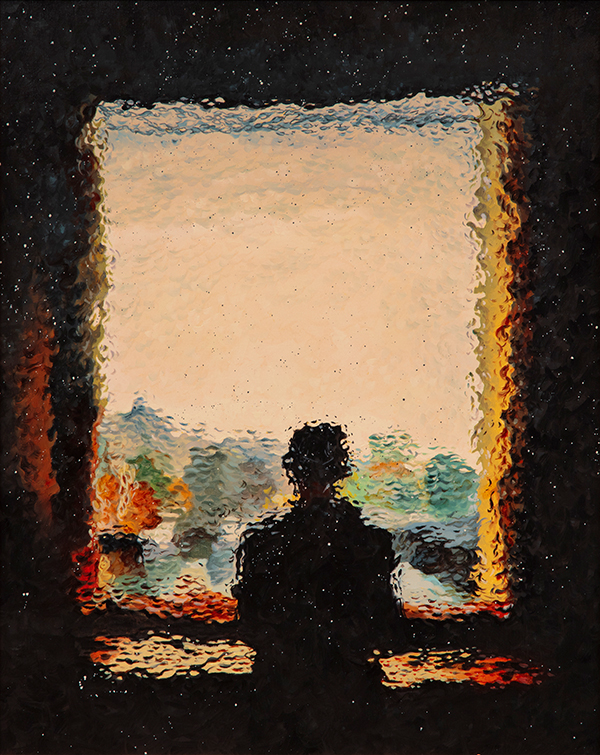
One of the silent burdens of this grief is that it can feel wrong. You are mourning someone who is still alive, but others don’t understand. There is another guilt particular to this grief, one I have not seen named in anything I have read about caregiving. I find it difficult to name even now. It is the guilt of recognizing that you are changing alongside her. The disease is doing something to you as well as to her. Too often I am more consumed by my losses than hers. Jan cannot dress herself, she cannot remember we are married, she cannot find her way back to the house she has lived in for decades. In the middle of an ordinary afternoon, I often find myself absorbed in what I have lost.
The overwhelming grief often hits at unexpected moments. I will be making tea in the morning and realize I am thinking about another trip to Ireland we were going to make and know it will not happen. And what I feel in that moment is not grief for her but grief for myself. Jan is the one with the disease and my losses are smaller by comparison, yet they are rarely out of my thoughts.
Jan can no longer understand what is being taken from her. The disease has removed her from any understanding of her own decline. I understand what is happening and what it means. I watch it unfold as someone who has spent a career in medicine and cannot unknow what he knows. That lack of awareness from her is its own form of grace.
The game she apologized for leaving early is still being played somewhere she can see and I cannot. Each morning, I begin again.
[.smalltext]Editors’ Note: Jan Burks died on September 16, 2026.[.smalltext]