Insight
Pilgrims and Tourists
December 15, 2026
Try 3 months of unlimited access. Start your FREE TRIAL today. Cancel anytime.
START FREE TRIAL NOWPilgrims and Tourists
[.smalltext]Translated from the Italian by Alta L. Price.[.smalltext]
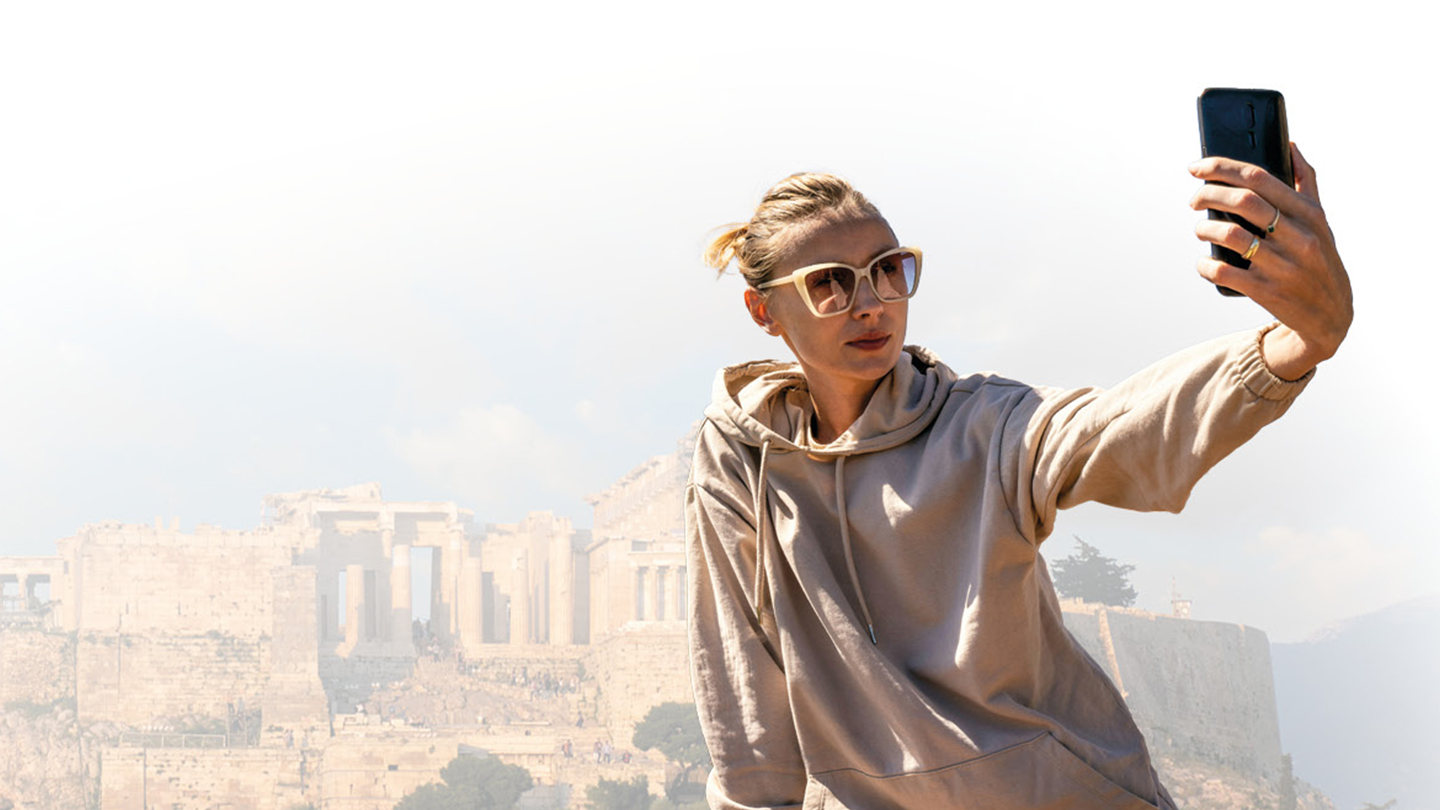
The word turista (tourist) appeared in Italian for the first time in 1837. Turismo [tourism] only appeared later, in 1905.[.footnote-link]1[.footnote-link] The etymology is clear: the tour (the grand tour) was the educational journey European aristocrats and intellectuals began taking in the eighteenth century, traveling primarily to Italy, in order to learn about its art history, lifestyles, and culture. As often happens over time, what started out among the elite gradually turned into a phenomenon of the masses.
Significantly, this practice’s antecedents were the pilgrimages undertaken by believers to visit the holy sites of their religion: tourists, like pilgrims, are peregrine – meaning, according to the Latin root of the term, foreigners on earth, wanderers. Tourism marks an epochal shift in the relationship between people and the planet they inhabit: wherever they find themselves, they are extraneous, from elsewhere (extra), above all in the very city in which they live. I still vividly recall my astonishment when – many years ago, back when I was living in Venice – I realized it was no longer possible to tell the Venetians and the tourists apart.
But the relationship between citizen and city isn’t the only thing that has shifted; the city itself has also changed: people have become tourists, meaning foreigners, to the same extent that the planet they inhabit (or, more accurately, once inhabited) has become extraneous and peregrine. If you read, as I recently have, Joseph Roth’s extraordinary description of Marseille from the autumn of 1925 – with its dense and intense alleyways, where an area of just a few square kilometers veritably teemed with life from every historical era and no one was considered a foreigner – it is hard to avoid coming to the bitter, implacable conclusion that, nowadays, cities no longer exist: tourism has managed to destroy them, because they had already ceased to be alive. Overtourism doesn’t come from elsewhere – it began inside of us, inside our neighborhoods, the districts in which our families lived, but which we are no longer capable of truly inhabiting. To inhabit is an intensive form of the verb to have (Latin habeo) and it means a certain way of residing, dwelling, and living, of having customs and habits. And if the word ethos in Greek refers to a habitual or customary abode or dwelling, then a residence is the primordial form of ethics. To have become tourists, to have lost the ability to inhabit a place, to be peregrine and extraneous everywhere, to be foreigners wherever we find ourselves, then, forces us to reimagine a possible ethics from scratch, to reinvent from top to bottom our ability to inhabit, to dwell, to reside. This is a daunting task, but it just might be the only way to escape tourism, to render our planet and our cities livable once again.
[.smalltext]Source: Agamben, Giorgio, “Uomini e turisti,” Quodlibet, July 1, 2026. Used by permission.[.smalltext]