Report
Restoring a Creek
January 8, 2009
Try 3 months of unlimited access. Start your FREE TRIAL today. Cancel anytime.
START FREE TRIAL NOW
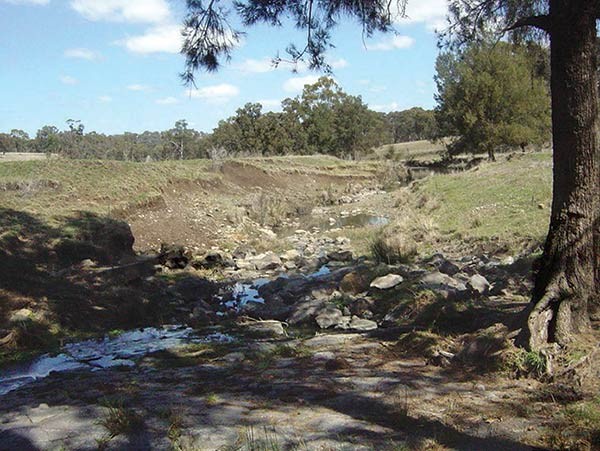
[.imgcaption] 2007: We began with a heavily eroded creek bed with only minimal plant life. Trampling of the shoreline by conventionally grazed cattle worsened erosion. During flood events, swiftly moving water caused further erosion and carried off topsoil and nutrients, while lowering the water table still more. [.imgcaption]
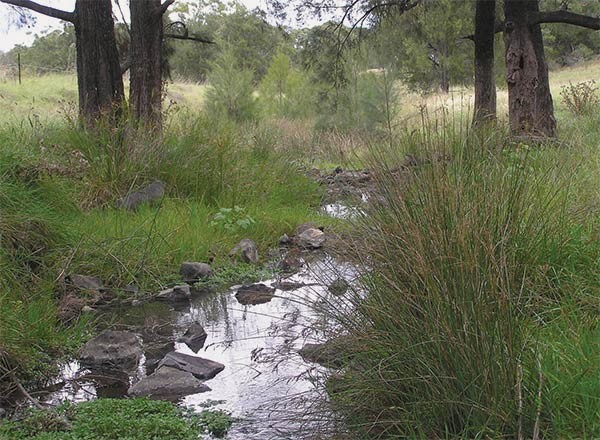
[.imgcaption] 2015: The same location as in the 2007 picture (above) . Now reeds and other plants in swampy areas slow down the water while helping suppress salinization and providing a habitat for animal life. [.imgcaption]
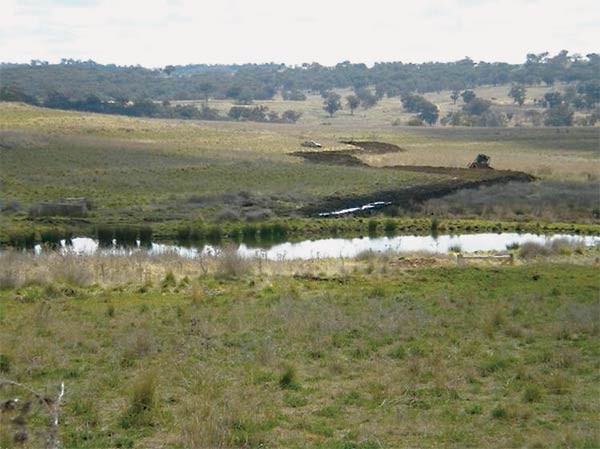
[.imgcaption] Contour banks feed flood waters onto flood plains through braided channels. These flood plains function as a reservoir of water in the landscape. [.imgcaption]
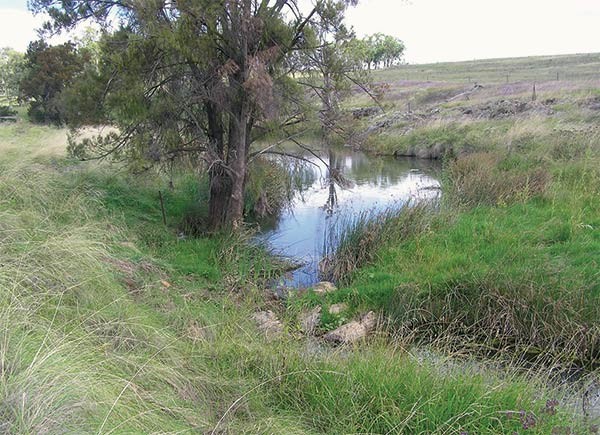
[.imgcaption] Leaky weirs – porous obstructions made of natural materials – slow down first-order streams. They serve to de-energize the water current and allow the water to seep into the soil. [.imgcaption]
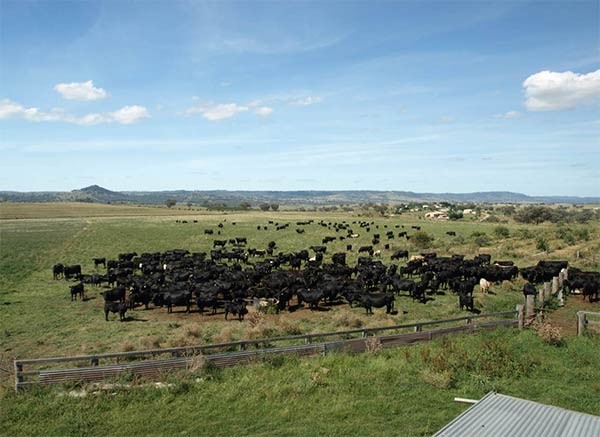
[.imgcaption] Fencing keeps cattle from eroding creek banks and damaging the creek bed and the plants holding it all together. [.imgcaption]
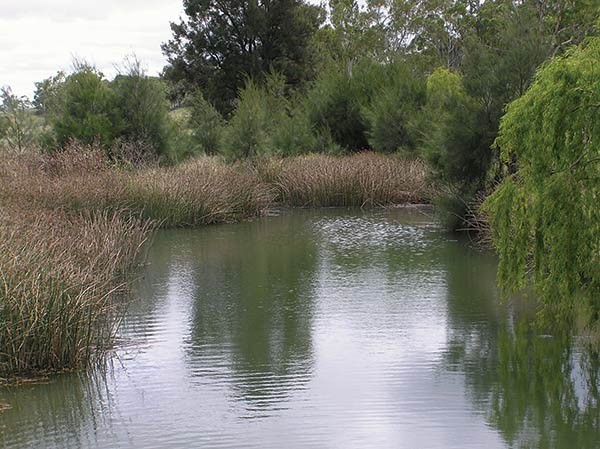
[.imgcaption] 2016: Working with nature, we have seen the creek rebound and begin to show hints of what it must once have been like before European settlement: a biodiverse and scenic source of fertility for the surrounding landscape. [.imgcaption]