Forerunner
Still My Friend
The Cappadocian Fathers shared a friendship with space for plenty of disagreement.
September 23, 2026
Try 3 months of unlimited access. Start your FREE TRIAL today. Cancel anytime.
START FREE TRIAL NOWStill My Friend
The Cappadocian Fathers shared a friendship with space for plenty of disagreement.
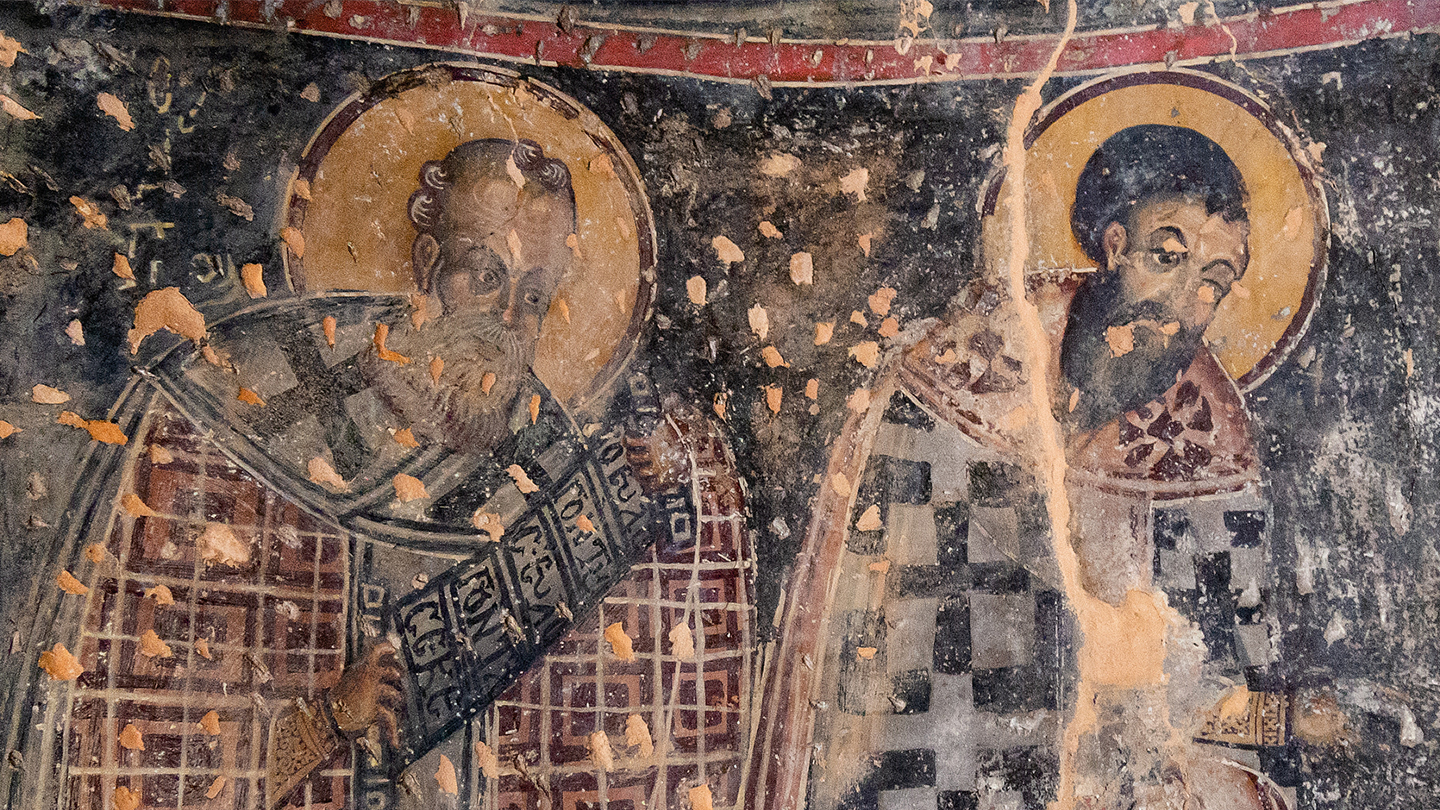
Gregory Nazianzen and Basil of Caesarea, from a fourteenth-century fresco at the Church of Saint Paraskevi at Melambes, Crete. [.smalltext]Photograph by C messier / Wikimedia Commons (public domain).[.smalltext]
[.article__paragraph--cap][.small-caps]Late in his life,[.small-caps] toward the end of the year 383 or the beginning of 384, Gregory Nazianzen was asked to prepare a collection of his own letters. He joked that his correspondent was asking for flowers from an autumn meadow. In sending them he included the letters of his friend, Basil of Caesarea, who had died a few years before, before his own. Explaining why he placed Basil’s letters first, Nazianzen wrote that while Basil would have disagreed, he had always preferred Basil to himself and hoped that they would always be joined together in memory and reputation. And over sixteen centuries later, they still are.[.article__paragraph--cap]
Together with Basil’s younger brother, Gregory Nyssen, the three theologians are remembered as the Cappadocian Fathers. From Cappadocia, now a region in northern Türkiye, the Cappadocian Fathers traveled throughout the eastern Mediterranean as, at different times in their lives, students, priests, and bishops. They are each venerated as saints and are subjects of continued devotional and scholarly study for, among many reasons, their tireless defense of Nicene Christianity, their rich theological writings, and the complexity of their relationships, especially in their letters.
The bonds of friendship between the Cappadocian Fathers themselves are exemplary, but not because they are uncomplicated or faultless. Their letters are the primary window into these relationships and, reading between the lines, we discover deception, error, recrimination, suspicion, anger, and avoidance. Put simply, these letters reveal friendships between real, limited people in a time fraught with religious and political strife. It may not be what one imagines of the friendship between three saints, but in a cultural moment when the scope of friendship feels narrow, crowded by our own religious and political divisions, the friendship of the Cappadocian Fathers suggests a generous way of seeing further and pushing back the limits of what we can imagine.
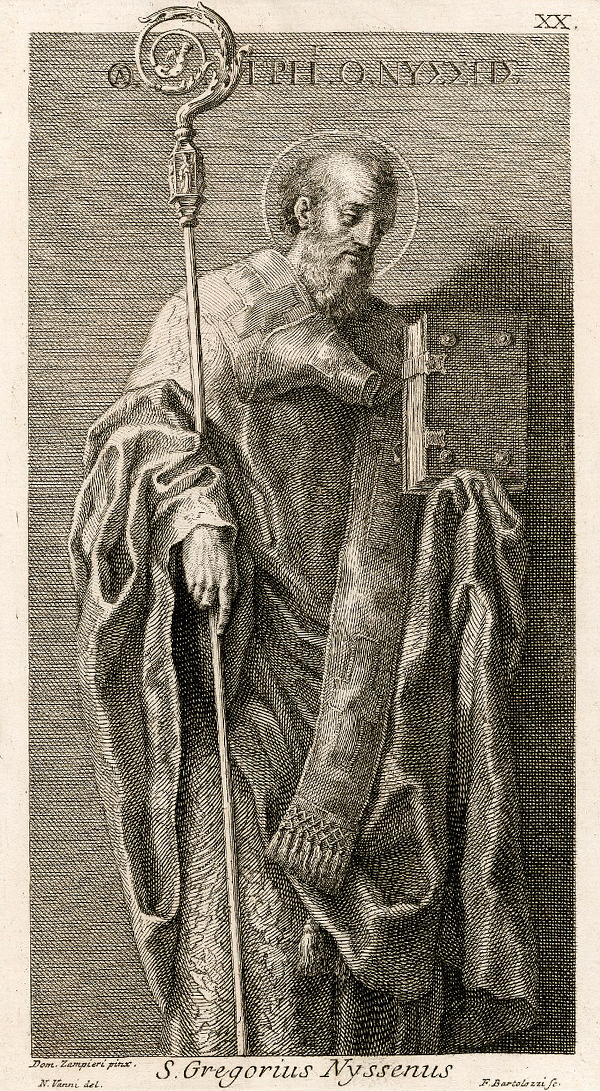
Basil and Nazianzen studied philosophy together in Athens. The warmth and humor of their earliest letters speak to deeply shared personal and theological commitments, as well as similar experiences and backgrounds. Classical references flow easily into biblical ones, alongside casual jibes that feel timeless when read today. These are men in their late twenties or early thirties, who have shared lives and passions which lend themselves to their accord and mutual sympathy. Both had entered the priesthood at the beginning of the 360s and were charting new lives after their time studying together in Athens. The middle of the 360s found Nazianzen being hosted by Basil and others of his family at the ascetic community they founded near the family’s estate. Basil’s younger brother, Nyssen, had chosen not to enter the priesthood or pursue the monastic life and instead sought a career in rhetoric. Nazianzen, the older Gregory, wrote to his younger friend in an attempt to persuade him to change course. The communication gives us a window into both Nyssen’s life and the shape of his relationships with friends and family.
This letter opens with Nazianzen making light of himself, writing that he will boast of one good quality he has: that he is as displeased with himself when he makes a bad decision as he is with his friends when they do. If all who live by the gospel are friends and family then he will be blunt with Nyssen about what everyone else is saying behind his back. Following through on his promise of frankness, he charges that it was ambition which moved Nyssen to abandon his first steps into the life of the church for a secular career. What follows is not only a castigation of Nyssen for what Nazianzen perceives to be naked secular ambition but a series of allusions to classical literature that make it clear Nazianzen intends to leaven his chiding with at least some good word-play and a sense of fun. Paraphrasing Euripides’s Phoenician Women, Nazianzen wrote that he wouldn’t yet say of Nyssen that despite becoming his enemy he was still his friend. In opposing Nyssen, Nazianzen sought Nyssen’s good, as a good friend should.
Nazianzen was unsuccessful in winning Nyssen away from a career teaching rhetoric. The rest of this decade found Nyssen continuing to pursue his career, and Nazianzen supporting his own father and his friend Basil. The start of the 370s found Basil finally positioned to win the episcopacy of Caesarea for himself, after a long dispute with the previous bishop in which Nazianzen had intervened on his behalf. Among those opposing Basil’s appointment was his own uncle. Nyssen sought to intervene on Basil’s behalf by forging a series of letters to engineer a meeting and mending of the ways between his brother and their uncle. When the deception was discovered, Basil wrote a furious letter to his brother, castigating him for his naiveté and writing that if Nyssen regarded Basil as brother and not enemy then he should be at hand to help him in the difficult circumstances in which he found himself.
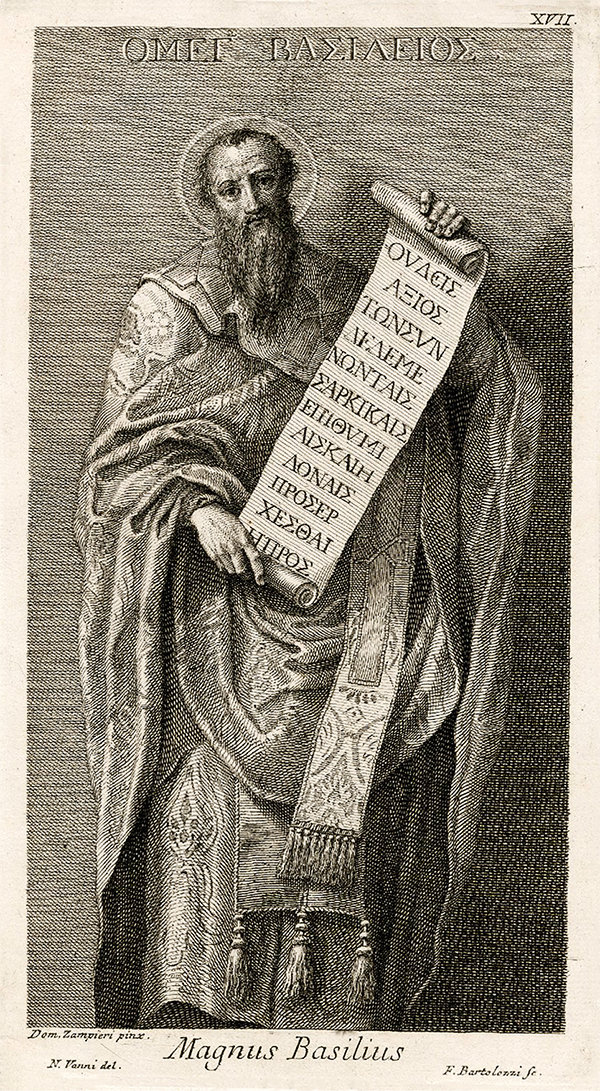
Within a few years, Basil had maneuvered Nyssen and Nazianzen into positions as bishops, seeing them appointed to Nyssa and Sasima respectively. While both seem to have recognized Basil’s desire to use these to increase support for Nicene orthodoxy, neither was eager to be a bishop. Although he took a longer course, Nyssen seems to have been less resentful of this than Nazianzen, whose writings indicate he chafed at the appointment to the position of bishop. In one of his first homilies as bishop there, delivered with both brothers in attendance, Nazianzen wrote of the need for Nyssen to reconcile him to Basil for having put him in the position. The resentment between Basil and Nazianzen would only be magnified by Nazianzen’s reluctance to act as Basil desired.
[.pull-quote]Their letters read as friendships between real, limited people in a time fraught with religious and political strife.[.pull-quote]
Basil and Nazianzen would continue in tension with each other, with disputes over Nazianzen’s lack of support for Basil and allegations of Basil failing to declare the divinity of the Spirit both yielding tense and, in the latter case, angry exchanges of letters between the two. Following the death of his brother, sister, and then father and mother in only a few years, Nazianzen withdrew into ascetic seclusion, while Nyssen and Basil would continue in the public and episcopal conflict on behalf of Nicene orthodoxy. The letters we possess are certainly fewer than those which were sent, but the decline in correspondence suggests that by the mid-370s, at the latest, the friendship between the old schoolmates, Basil and Nazianzen, would seem to have worn thin, if not worn out altogether. Nyssen and Nazianzen continued to correspond throughout the end of this decade, including while Nazianzen was at the monastery of Saint Thecla.
When Basil died at the end of the 370s, it was Nyssen who wrote to Nazianzen to tell him. Then, or shortly thereafter, Nazianzen would leave his monastic retreat and take up the episcopacy of Constantinople. Nyssen and Nazianzen would both, in different ways, take up challenges to orthodoxy in the years around the second ecumenical council there in 381. Nyssen spent the years afterward writing some of his best work and traveling widely in continued support of the Nicene Creed. While history would come to regard the council as a triumph of Nicene orthodoxy, Nazianzen withdrew from the council, from Constantinople and, bruised by his experiences, recorded his dissatisfaction in a lengthy autobiographical poem. He would later write to his friend Nyssen to ask for support in the appointment of his preferred candidate to the episcopacy of Nazianzus. Twenty years had passed since Nazianzen wrote Nyssen to chide him for his ambition in seeking a secular career, perhaps with Basil at his elbow lamenting his brother’s hard-headedness. The younger Gregory, no longer an ambitious rhetorician but a widely respected bishop and theologian, was there to support his friend in turn.
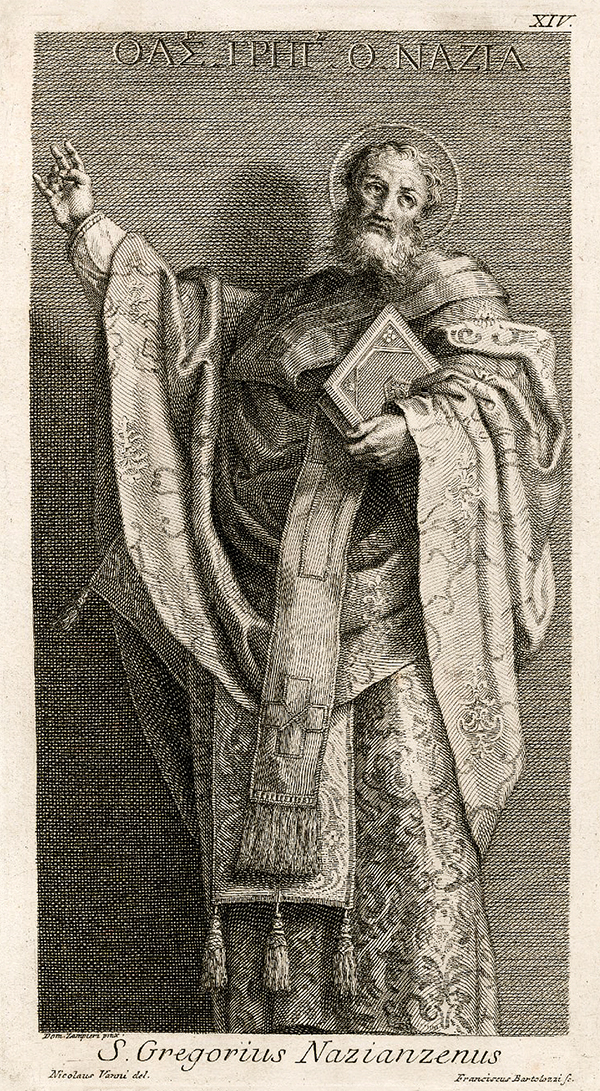
Basil, Nyssen, and Nazianzen shared a friendship which bound them together even beyond death and which we still read about today. They disagreed, fought, and criticized each other, but were drawn back together, bound by shared concerns, passions, and faith. While we have only a small portion of the correspondence they shared and can only guess at what passed between them in the times when they came together, what we have is ultimately a literary record, intentionally preserved. Scholarly reflection rightly continues on why these letters were preserved as opposed to others, on the authenticity of the friendship suggested in them, and on the historical development of the very concept of friendship. However limited the portrait of friendship we have inherited in these letters, whatever the intention behind it, it is one these Christian forebears wanted us to possess.
The friendship that emerges between the lines of these letters exchanged among the three Cappadocian Fathers is one in which they continually – successfully and unsuccessfully, desired or not – intervened in each other’s lives. Motivated by their shared concerns, both personal and pastoral, banal and definitive of the course of theological history, they shared humor, thought, and outrage that shifted their object and their intent over twenty years. The friendship points us toward the kind of depth and openness to error and pain that can feel so lacking in relationships today. Are we willing to risk conflict in our relationships to intervene in each other’s lives? To speak when we think someone is making a mistake? To confront each other when we’ve been less than truthful? The example of their friendship also denies us the easy excuse of not investing in friendships due to personal distance and lack of time: Basil, Nazianzen, and Nyssen were often separated by many miles, and had other friends and obligations. Their lives were defined by other relationships, by brothers and fathers and especially mothers and sisters. However, as Nazianzen wrote, at least a little tongue-in-cheek, what is best in life is friends, and the best among them are the good ones. For our part, the best of these are surely those of whom we can say, even if they become our enemies, they are still our friends.