Fiction
Two Kinds of Pity
Is pity just the heart’s instinctive desire to fortify the soul against another’s suffering?
August 30, 2026
Try 3 months of unlimited access. Start your FREE TRIAL today. Cancel anytime.
START FREE TRIAL NOWTwo Kinds of Pity
Is pity just the heart’s instinctive desire to fortify the soul against another’s suffering?
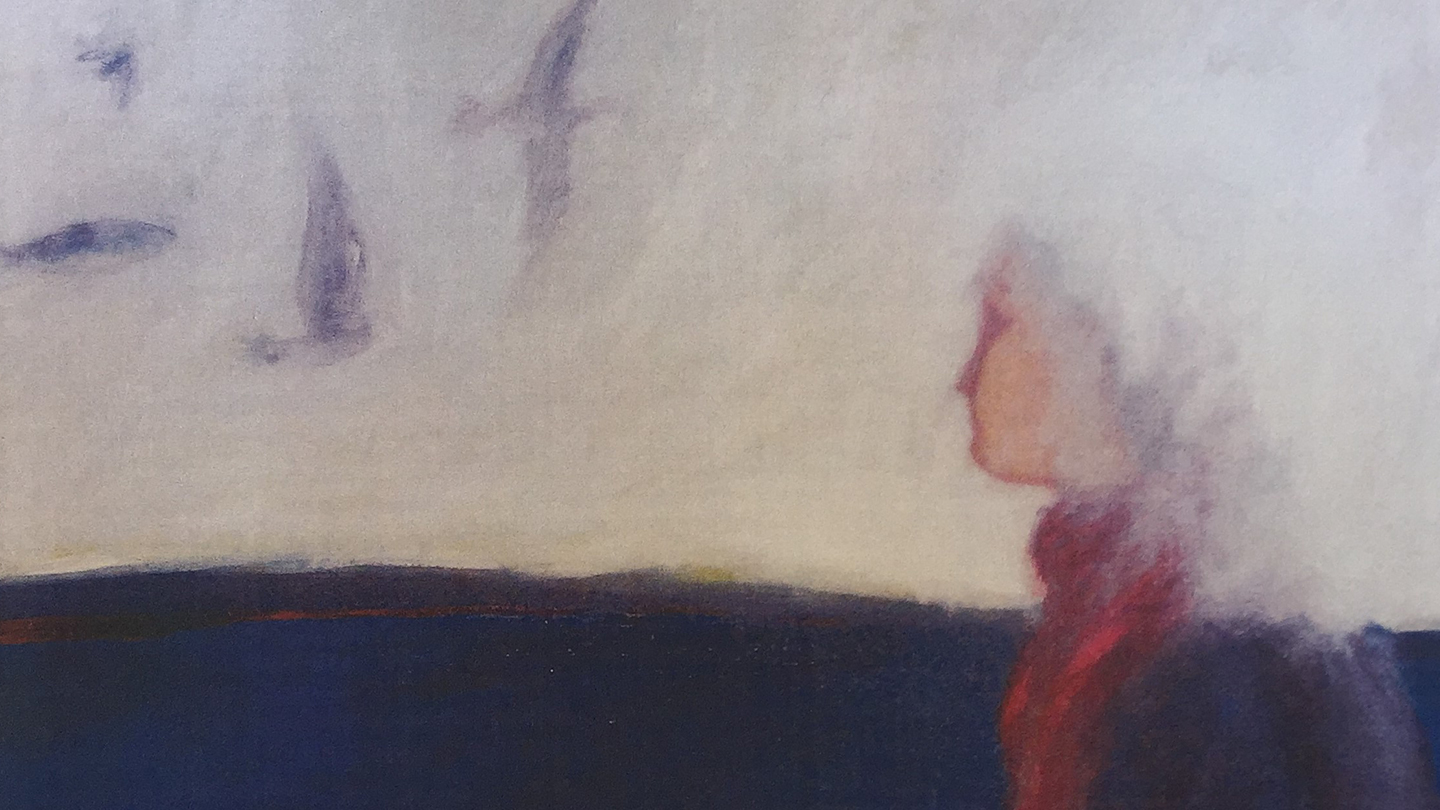
Imren Iyem, Noman’s Land, Riders of Lost Paths No. 91. [.smalltext]Wikimedia (Creative Commons).[.smalltext]
[.article__paragraph--leading]In Beware of Pity, a novel by Stefan Zweig, the protagonist, Anton Hofmiller, commits a faux pas when he asks Edith, the daughter of his host, to dance – she is paralyzed from the waist down. Embarrassed, he eventually overcomes his feelings of guilt by pitying the invalid.[.article__paragraph--leading]
[.article__paragraph--cap][.small-caps]It is the way[.small-caps] of young people that each fresh piece of knowledge of life should go to their heads, and that once uplifted by an emotion they can never have enough of it. As soon as I discovered that my ability to feel pity was a force that not only stirred me myself positively pleasurably, but extended its beneficent influence beyond my own personality, a strange metamorphosis began to take place within me. Ever since I had first allowed this capacity for sympathy to enter into my being, it seemed to me as though a toxin had found its way into my blood and had made it run warmer, redder, faster, pulsate and throb more vigorously. All of a sudden I could no longer understand the slothful torpor in which I had hitherto lived as though in a grey, insipid twilight. A hundred and one things to which I had never even given a passing thought began to excite me and to occupy my thoughts. All around me I perceived, as though that first glimpse into the sufferings of another had given me a fresh, a keener, a more understanding eye, things that engaged my attention, thrilled me, shook me. And since this whole world of ours is crammed, street upon street, room upon room, with poignant tragedies, drenched through and through with burning misery and distress, my days were passed from morn till night in a state of heightened attentiveness and expectation. Strange – I found, when trying new mounts for the regiment, that all of a sudden I could no longer, as formerly, give a stubborn horse a savage blow over the crupper without a pang, for I was guiltily aware of the pain I was causing and the weals seared my own skin…. All of a sudden, too, I found I could no longer stand the ribald jokes in the officers’ mess at the expense of clumsy or awkward comrades; ever since I had realized in the person of the weak, defenseless Edith the torture of helplessness, I was revolted by any act of brutality and moved to pity by any form of helplessness. Countless trifling things that had hitherto escaped my attention I now noticed, ever since chance had squeezed into my eyes those first hot drops of sympathy; little, simple things, but each of them with the power to move and stir me deeply. It struck me, for instance, that the woman at the tobacconist’s shop where I always bought my cigarettes held the coins that I handed to her remarkably close to the thick lenses of her spectacles, and I was immediately troubled by a suspicion that she might be suffering from cataract. The next day, I thought, I would ask her about to very tactfully and perhaps ask Goldbaum, our regimental doctor, to be so kind as to examine her. Or it occurred to me that the volunteers had of late been pointedly running that little red-haired chap K., and I remembered having seen in the newspaper (how could he help it, the poor lad?) that his uncle had been sent to prison for embezzlement; I made a point of sitting by him in the mess and entered to a lengthy conversation, immediately perceiving, from his look of gratitude, that he knew I was doing it simply to show the others how unsporting and caddish their behavior was. Or I would put in a word for one of my troop whom the Colonel had ordered four hours’ fatigue duty.[.article__paragraph--cap]
Again and again, day after day, I found fresh opportunities for indulging, trying out, this passion that had suddenly possessed me. And I said to myself: from now on, help anyone and everyone so far as in you lies. Cease to be apathetic, indifferent! Exalt yourself by devoting yourself to others, enrich yourself by making everyone’s destiny your own, by enduring and understanding every facet of human suffering through your pity. And my heart, astonished at its own workings, quivered with gratitude towards the sick girl whom I had unwittingly hurt and who, through her suffering, had taught me the creative magic of pity.
[.article__paragraph--cap][.small-caps]There are two kinds[.small-caps] of pity: one, the weak and sentimental kind, which is really no more than the heart’s impatience to be rid as quickly as possible of the painful emotion aroused by the sight of another’s unhappiness, that pity which is not compassion, but only an instinctive desire to fortify one’s own soul against the sufferings of another; and the other, the only kind that counts, the unsentimental but creative kind, which knows what it is about and is determined to hold out, in patience and forbearance, to the very limit of its strength and even beyond.[.article__paragraph--cap]
[.smalltext]Source: Stefan Zweig, Beware of Pity, trans. Anthea Bell, (Pushkin Press, 2023) 6, 59–60. Used by permission.[.smalltext]