Las indígenas moravas de Estados Unidos
En 1782, noventa y seis cristianos nativos americanos, quienes habían abrazado el camino de no la resistencia de Jesús, fueron masacrados por colonos en el territorio de Ohio.
April 11, 2024
Disfruta 3 meses de prueba de acceso completo. Inicia hoy tu PRUEBA GRATUITA. Cancela en cualquier momento.
INICIA PRUEBA GRATUITA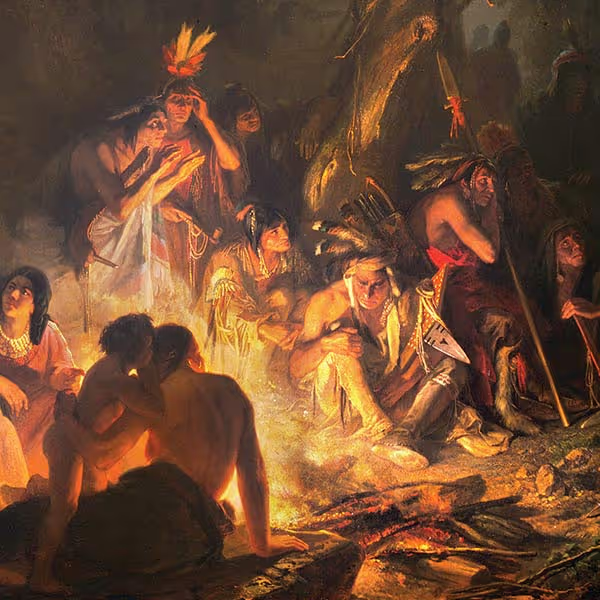
[.article__paragraph--cap] El 8 de marzo de 1782, menos de seis años después de la fundación de los Estados Unidos de América, noventa y seis cristianos nativos americanos, quienes habían abrazado el camino de no la resistencia de Jesús, fueron masacrados por colonos en Ohio, en represalia por un ataque llevado a cabo por un grupo diferente de nativos americanos.[.article__paragraph--cap]
Lamentablemente, la masacre también puso fin a un esfuerzo de cincuenta años de la iglesia morava para unir a los europeos y los nativos americanos como hermanos y hermanas en la comunidad cristiana. La noticia del evento se extendió de tribu en tribu, y los nativos americanos ya no confiaban en las promesas de los blancos. Dos décadas más tarde, el jefe de Shawnee, Tecumseh, le recordó a William Henry Harrison (el futuro presidente): “¿Recuerdas la época en que los indios Jesús de los Delawares vivían cerca de los estadounidenses, tenían confianza en sus promesas de amistad y pensaban que estaban seguros, pero los estadounidenses asesinaron a todos los hombres, mujeres y niños, incluso mientras oraban a Jesús?”
Hoy en día, quedan pocos rastros del testimonio excepcional de la hermandad entre los inmigrantes moravos y los pueblos originarios de América del Norte, salvo los monumentos. El más importante de estos marcadores históricos se erigió para honrar a los mártires de dos lugares diferentes llamados Gnadenhütten (casas de gracia). En Pensilvania, los nativos americanos mataron a los moravos blancos. En Ohio, sus hermanos nativos americanos fueron asesinados por estadounidenses blancos. En ambos casos, los mártires fueron hombres, mujeres y niños que intentaban seguir el camino de Cristo en una época violenta y peligrosa mirando más allá de las diferencias en el color de la piel, el lenguaje y las costumbres para así llamarse hermanos y hermanas. Estaban dispuestos a sacrificar sus propias vidas en lugar de quitarles la vida a los demás.
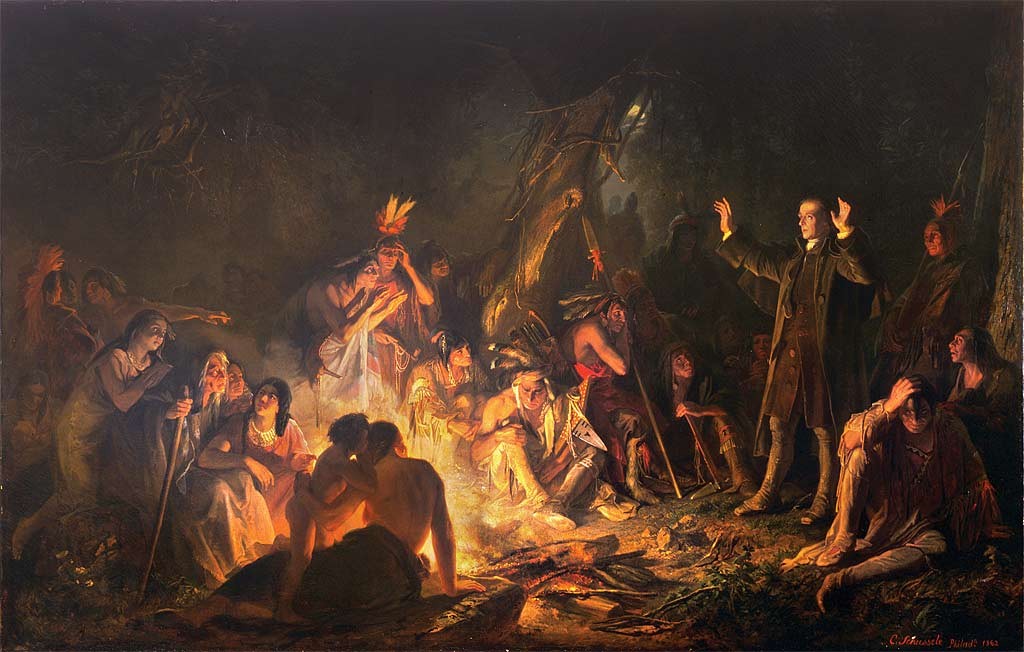
[.imgcaption] Christian Schussele, Zeisberger Predica a los índios, 1862. [.smalltext] Usado con permiso del Archivo Moravo, Bethlehem, Pensilvania, EE. UU. [.smalltext][.imgcaption]
Los nativos americanos asesinados en Ohio, quienes habían huido al oeste para escapar de la violencia, habían nombrado su nuevo asentamiento en honor a los mártires de Gnadenhütten, Pensilvania, donde veintiséis años antes, el 24 de noviembre de 1755, diez misioneros moravos y un niño fueron asesinados y sus casas quemadas hasta los cimientos.
Una de las sobrevivientes de ese ataque, Susanne Partsch, había dejado su hogar en Alemania diez años antes para unirse a la misión al Nuevo Mundo, y recientemente había aceptado servir como cocinera para los misioneros en Gnadenhütten en Mahoning Creek (cerca de Lehighton actualmente). Ella y su esposo, George, habían estado en Gnadenhütten menos de una semana cuando un grupo de guerra de nativos americanos atacó el asentamiento. Susanne vio a los hombres “corriendo de una casa a otra con tizones para prenderles fuego”. La iglesia, la escuela, la panadería y las viviendas quedaron reducidas a cenizas. Sacrificaron el ganado y se llevaron o arruinaron los alimentos, herramientas y suministros. Algunos de los residentes, incluido un bebé, fueron quemados vivos en sus hogares. Los moravos recibieron algunas advertencias de la inminente violencia, pero habían decidido no abandonar su misión.
Susanne se salvó saltando desde una ventana del segundo piso y escondiéndose en el hueco de un árbol hasta la mañana siguiente, cuando un soldado militar local la encontró y la llevó de regreso al asentamiento. Ella luego escribió sobre su experiencia: “Me desvanecí al ver los cuerpos carbonizados y tuve problemas para volver a mis sentidos”. Descubrió que su esposo también había sobrevivido, pero otra persona, miembro de la iglesia, Susanna Nitschmann, había sido llevada cautiva como premio de guerra. Sus captores abusaron tan severamente de ella que nunca se recuperó por completo. Su marido estaba entre los asesinados.
El asalto a Gnadenhütten fue uno de los varios ataques de los nativos americanos contra colonos europeos en la frontera de Pensilvania, pero es digno de mencionar debido a la inusual respuesta a la masacre. Los moravos en Belén, la sede del grupo en América del Norte y una próspera comunidad intencional, se horrorizaron con la noticia de lo que les había sucedido a sus hermanos y hermanas en Gnadenhütten, a unas veinticinco millas de distancia. Pronto, los refugiados nativos americanos y blancos comenzaron a llegar a Belén en busca de comida, refugio y protección. George y Susanne Partsch estaban entre ellos. Susanne “no se sentía muy bien y tuvo que soportar una enfermedad grave”. Sin embargo, en lugar de ser derrotados por su terrible experiencia, los Partsche volvieron a salir como misioneros solo unos años después, esta vez a esclavos en las Islas Vírgenes.
Finalmente, setenta indígenas conversos del área de Gnadenhütten se dirigieron a Belén en busca de protección contra las represalias de los blancos por la masacre. La presencia de estos refugiados nativos americanos puso a prueba la buena voluntad de algunos de los habitantes de Belén: no solo sus hermanos y hermanas acababan de ser masacrados por miembros de esta tribu, sino que vivían bajo el temor constante de un ataque similar a sus habitantes en su propio asentamiento. El obispo August Gottlieb Spangenberg instó a sus hermanos a no cerrar el corazón a estos refugiados quienes habían sido expulsados de sus hogares a causa de la guerra. Los moravos, a veces de mala gana, continuaron amando a los refugiados como Cristo lo hacía. Protegieron a los nativos americanos de los blancos que tenían la intención de vengarse, pero también dieron la bienvenida a los colonos no moravos quienes huían de la violencia en la frontera. En total, unas ochocientas personas, tanto nativos como colonos, se refugiaron en las comunidades de Belén y la cercana Nazaret. Este fue un raro ejemplo de europeos y nativos americanos que buscaron juntos un refugio de la violencia de esa época.
Los moravos aliviaron parte del hacinamiento en la comuna de Belén ayudando a los nativos americanos a construir una aldea llamada Naín a una milla de la ciudad. Allí podrían vivir de acuerdo con su cultura y tradiciones mientras aún adoraban como moravos. Tomó un tiempo encontrar un lugar adecuado y limpiar el terreno para la construcción, pero finalmente, en octubre de 1758, se inauguró la capilla en Naín.
Los colonos cercanos se opusieron a Naín, al igual que algunos líderes nativos. Teedyuscung intentó en vano persuadir a su gente de que abandonara el pueblo. Luego, en 1763, el gobernador de Pensilvania insistió en que los moravos llevaran a sus miembros nativos americanos a Filadelfia para protegerlos de los estragos de los Paxton Boys, un grupo de justicieros blancos que tenía la intención de masacrar a los nativos. Sin embargo, las condiciones en el campo de refugiados de Filadelfia eran desalentadoras y, finalmente, al misionero moravo David Zeisberger se le permitió sacar de Pensilvania a su rebaño de personas enfermas y acosadas. Finalmente, se establecieron en Ohio a principios de la década de 1770.
[.article__paragraph--cap] ¿Quiénes eran estos moravos que se encontraban en medio de la controversia y la violencia en la frontera estadounidense? En 1722, un grupo de protestantes que tenía sus raíces en Jan Hus huyó de la persecución en Moravia y se les concedió refugio en la finca del conde Nikolaus von Zinzendorf en Alemania. Allí construyeron un pueblo llamado Herrnhut, el cual se convirtió en una forma única de comunidad cristiana. Todos los que aceptaban vivir de acuerdo con el Acuerdo de Hermandad, ratificado en 1727, eran bienvenidos independientemente de su afiliación eclesial o nacionalidad. El Acuerdo de Hermandad estipulaba que la única razón para vivir en Herrnhut era el servicio a Cristo.[.article__paragraph--cap]
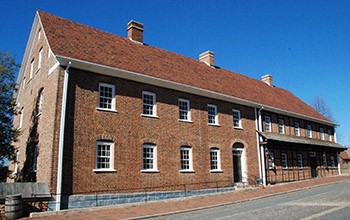
[.imgcaption] Casa para los hermanos solteros moravos, construida en 1769. [.imgcaption]
Ese mismo año, los residentes de Herrnhut experimentaron una renovación espiritual que los inspiró a embarcarse en un extraordinario período de cincuenta años de misión global. En 1740 llegaron los primeros moravos a Pensilvania y al año siguiente iniciaron la comunidad de Belén, que sería la base de una extensa red misionera. Docenas de moravos aprendieron lenguas nativas americanas y algunos fueron adoptados por varias tribus de la Confederación Iroquesa.
Belén no fue solo la sede económica y administrativa de la misión morava en América del Norte; también, estaba destinada a ser una “ciudad en la colina”. Fue una comuna cristiana muy eficaz durante unos veinte años. Los misioneros construyeron algunos de los edificios más grandes de la Pensilvania colonial para albergar a los cientos de hombres, mujeres y niños que vivían juntos bajo el Acuerdo de Hermandad. Algunos de los residentes estuvieron de acuerdo en quedarse allí permanentemente para sembrar cultivos y brindar apoyo a la iglesia, mientras que otros eran “peregrinos” quienes aceptaban ir adonde fueran enviados. Muchos de estos peregrinos trabajaban con los nativos americanos, especialmente entre la gente de Lenape. Belén tenía una economía que funcionaba sin problemas sin fuerza policial, acciones ni cárcel. Algunos colonos acusaron a los moravos de conspirar con los nativos americanos e incluso de armarlos, pero la verdad era que los moravos eran gente de paz. Se negaron a unirse a la milicia o servir en el ejército, aunque las reglas de la iglesia permitían la autodefensa y la defensa de mujeres y niños.
La economía y la estructura social de Belén se vieron gravemente afectadas por la afluencia de los refugiados, pero a pesar de ello la comunidad sobrevivió. En varias ocasiones Belén fue amenazada por partidas de guerra nativas americanas y turbas por parte de los blancos. Para proteger la ciudad del tipo de asalto sufrido en Gnadenhütten, los moravos construyeron una empalizada alrededor del perímetro de la ciudad. Los residentes vigilaban día y noche, con órdenes de disparar tiros de advertencia si se veía a alguien moviéndose en contra de la ciudad.
El día de Navidad de 1755, pocas semanas después del ataque de Gnadenhütten, los moravos de Belén celebraron el nacimiento de Cristo en su forma habitual con el toque de trombones justo antes del amanecer. Según informes posteriores, el ruido de los instrumentos de viento, a menudo asociados con los ejércitos, alarmó tanto a un grupo de personas que planeaban un asalto al amanecer que interrumpieron el ataque planeado y regresaron al bosque. Esta historia de trombones frustrando un ataque puede ser más legendaria que histórica, pero es cierto que los moravos continuaron adorando a Cristo en medio del conflicto.
[.article__paragraph--cap] En 1776 la guerra envolvió nuevamente a las colonias británicas en América, pero esta vez los colonos estaban luchando contra el ejército británico. Una vez más, los nativos americanos se vieron envueltos en un conflicto entre europeos. En 1749, el parlamento británico concedió a los moravos una excepción del servicio militar en reconocimiento a su objeción de larga data a matar gente. Durante la Revolución Americana insistieron en su derecho a no luchar. En varias ocasiones, sin embargo, eran amenazados con el reclutamiento forzoso por los ejércitos estadounidense o británico y tuvieron que pagar grandes indemnizaciones para evitarlo. Algunos fueron encarcelados; otros huyeron. Uno de los edificios de Belén se convirtió en hospital para los soldados heridos de ambos ejércitos, y los moravos ayudaban a enterrar a los muertos de guerra de ambos bandos. Aparte de eso, parecía que podían evitar ser arrastrados a la vorágine de la revolución y la guerra.[.article__paragraph--cap]
David Zeisberger y su esposa Suzanna habían llevado a su congregación de lenapes y mohicanos fuera de Pensilvania y establecieron una nueva aldea en el río Tuscarawas en Ohio en 1772. Un mohicano llamado Joshua dirigió la nueva comunidad la cual fue nombrada Gnadenhütten en honor de los mártires de 1755. El pueblo había crecido y ya eran más de doscientas personas, todos nativos americanos, cuando estalló la guerra. En 1781, cuando la guerra entre británicos y estadounidenses se movía hacia el oeste, los británicos reubicaron por la fuerza a los moravos de Gnadenhütten a 160 kilómetros al noroeste de Sandusky. Muchos murieron de hambre, de enfermedades o congelados durante el invierno. En la primavera, a más de un centenar de sobrevivientes se les permitió regresar a su aldea en el río Tuscarawas con la esperanza de plantar cultivos y cazar para sobrevivir.
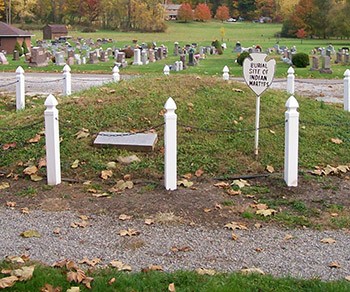
[.imgcaption] Fosa común en el sitio del masacre de Gnadenhütten [.imgcaption]
Pero el espectro de la guerra y el odio acechaba la tierra. Varias familias blancas fueron masacradas por partidas de guerra nativas americanas aliadas con los británicos, por lo que una milicia estadounidense de unas 160 personas, dirigida por un tal David Williamson, se dispuso a buscar venganza. En lugar de atacar a los que habían cometido los asesinatos, decidieron atacar al pueblo amante de la paz de Gnadenhütten. Ocuparon Gnadenhütten y rodearon a otros nativos americanos de las aldeas circundantes y los bosques. El 7 de marzo celebraron un simulacro de tribunal, condenaron a los nativos americanos moravos por asesinato y los condenaron a muerte. La única misericordia que mostraron fue que honraron la solicitud de los cristianos de tener tiempo para prepararse para el martirio. Durante toda la noche, los moravos confesaron sus pecados, se consolaron unos a otros y cantaron himnos a Cristo su Salvador.
Al día siguiente, la milicia blanca asesinó a noventa y seis personas. Dos niños lograron esconderse debajo de los cuerpos y fingieron estar muertos. Fueron testigos de la atrocidad del asesinato, pero también del coraje de los mártires. Había dos “casas de matanza”, una para hombres y otra para mujeres. La mayoría de las personas fueron asesinadas por mazos o hachas de guerra. Los verdugos también les arrancaban el cuero cabelludo a sus víctimas para llevarse los premios a casa. Algunos a quienes se les arrancaba el cuero cabelludo todavía estaban vivos. Casi la mitad de las víctimas eran niños. Según un participante, “Nathan Rollins había matado a diecinueve de los moravos pobres, una vez que terminó se sentó y lloró, y dijo que, después de todo, no era una satisfacción que pudiera reponer la pérdida de su padre y su tío”. Cuando terminó la ola de asesinatos, la milicia saqueó la ciudad y quemó los edificios con los cuerpos adentro.
Después de la guerra, el misionero moravo John Heckewelder regresó al lugar de la masacre y enterró los restos de los mártires. Ninguno de los blancos que participaron en la masacre fue llevado ante la justicia, pero algunos fueron asesinados, por lenapes no moravos, en venganza. Las autoridades británicas otorgaron a Zeisberger, quien no había estado presente en el momento de la masacre, un permiso para llevar al resto de su congregación de lenapes y mohicanos a Canadá, donde estarían más seguros.
Los mártires de dos lugares diferentes llamados Gnadenhütten estaban dispuestos a sacrificar sus propias vidas en lugar de quitarle la vida a los demás. Sabían que hay cosas por las que vale la pena morir, pero no matar por ellas. Aunque sus muertes siguen siendo un capítulo vergonzoso de la historia estadounidense, podemos verlos como vencedores en lugar de víctimas, porque se unieron a las filas de miles de mártires cristianos que testificaron en vida y muerte de su fe en Cristo al amar a sus enemigos y orar por aquellos quienes los persiguieron.
[.smalltext] De Siendo testigos: Relatos de martirio y discipulado radical [.smalltext]