Reading
Practicing Friendship
Friendship is to be exercised as a virtue.
September 27, 2026
Try 3 months of unlimited access. Start your FREE TRIAL today. Cancel anytime.
START FREE TRIAL NOWPracticing Friendship
Friendship is to be exercised as a virtue.
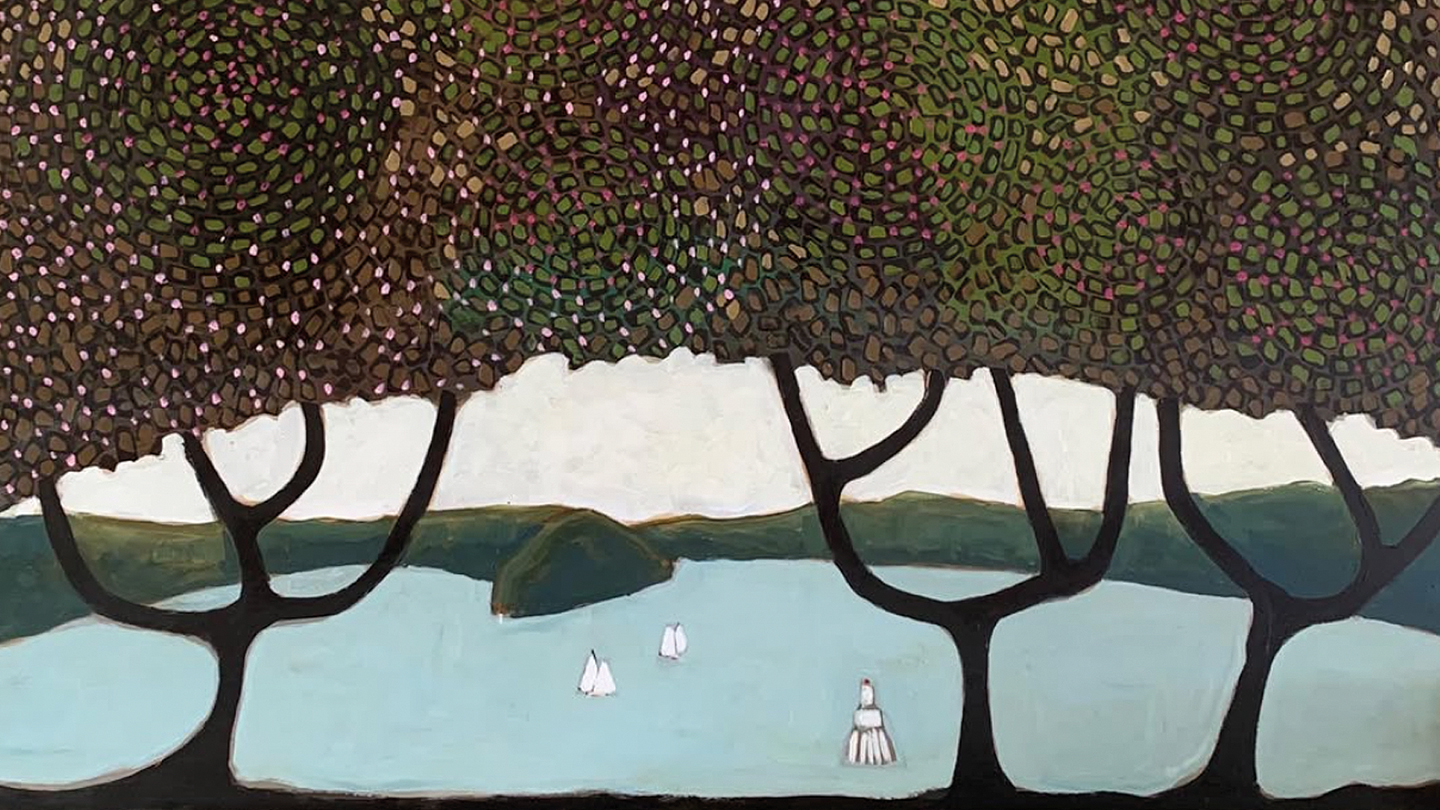
John R. Baird, Kind of Sydney, synthetic polymer / shellac on board, 2020. [.smalltext]Used by permission.[.smalltext]
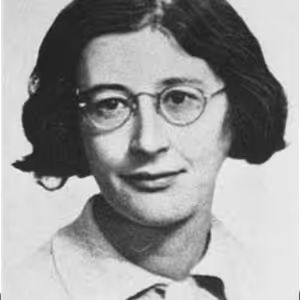
[.article__paragraph--cap][.small-caps]It is a fault[.small-caps] to wish to be understood before we have made ourselves clear to ourselves. It is to seek pleasures in friendship and pleasures which are not deserved. It is something which corrupts even more than love. You would sell your soul for friendship. Learn to thrust friendship aside, or rather the dream of friendship. To desire friendship is a great fault. Friendship should be a gratuitous joy like those afforded by art or life. We must refuse it so that we may be worthy to receive it; it is of the order of grace (“Depart from me, O Lord”). It is one of those things which are added unto us. Every dream of friendship deserves to be shattered. It is not by chance that you have never been loved. … To wish to escape from solitude is cowardice. Friendship is not to be sought, not to be dreamed, not to be desired; it is to be exercised (it is a virtue).[.article__paragraph--cap]
[.smalltext]Source: Simone Weil, Gravity and Grace (Routledge, 2002), 66–67. Used by permission.[.smalltext]
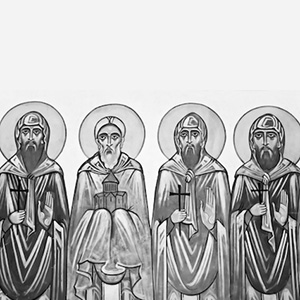
[.article__paragraph--cap][.small-caps]Two hermits lived[.small-caps] together for many years without a quarrel. One said to the other, “Let’s have a quarrel with each other, as other men do.” The other answered, “I don’t know how a quarrel happens.” The first said, “Look here, I put a brick between us, and I say, ‘That’s mine.’ Then you say, ‘No, it’s mine.’ That is how you begin a quarrel.” So they put a brick between them, and one of them said, “That’s mine.” The other said, “No; it’s mine.” He answered, “Yes, it’s yours. Take it away.” They were unable to argue with each other.[.article__paragraph--cap]
[.smalltext]Source: The Desert Fathers: Sayings of the Early Christian Monks ed. Benedicta Ward (Penguin Classics, 2003), 182. Used by permission.[.smalltext]